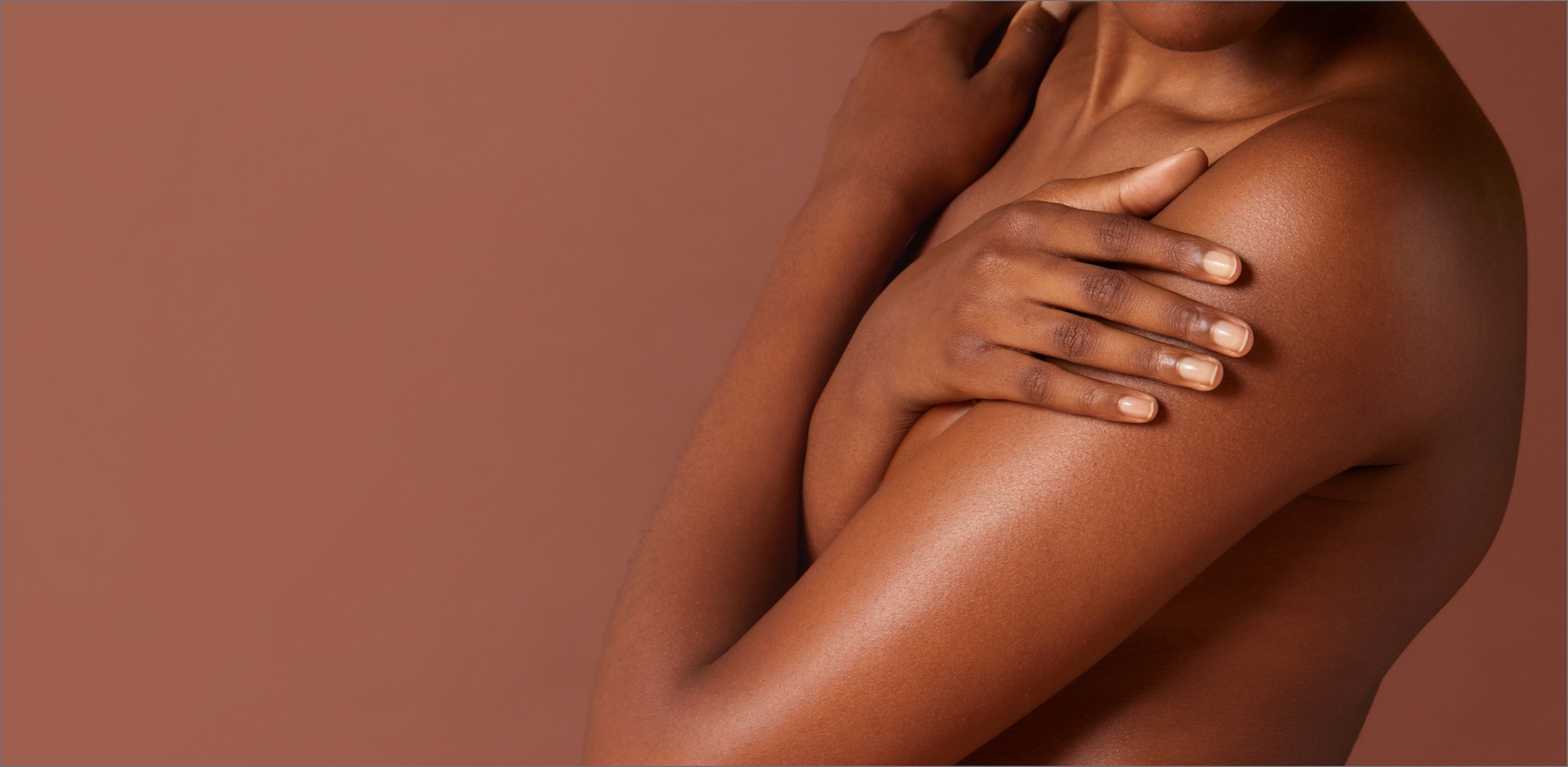
Understanding eczema and its impact on skin
Eczema is a common inflammatory skin condition that causes itchy, inflamed skin. It weakens the function of your skin barrier, which helps to keep your skin hydrated and protects it from outside threats like bacteria and allergens. This means if you suffer from eczema, your skin is much more prone to moisture loss and irritation. A tailored eczema skin care routine can help you to manage your symptoms while protecting your skin at the same time.
Why your shower routine matters for eczema-prone skin
One of the best things you can do to look after itchy, inflamed skin is to keep it hydrated. This is why your shower routine is a crucial part of caring for eczema-prone skin. The best way to replace any moisture loss in your skin is to have a short, warm shower and then moisturise your body immediately after, while your skin is still damp.
Using a shower oil that has been formulated for atopic skin and is also suitable for people who have eczema-prone skin can be a key addition to your shower routine. Sanex Skin Therapy Shower Oil with Omega-3 uses a hypoallergenic formula with an oily texture that is free from colourants and fragrance. It gently cleanses, deeply nourishes and leaves your skin noticeably more hydrated and visibly smoother. It also reduces irritation after just 3 days of use*.
Ingredients to look for in skincare products for eczema
When shopping for body care products, certain ingredients can be beneficial for an itchy eczema flare up, while others will have a negative effect. Look out for these ingredients and avoid anything too harsh, like fragrances and artificial colours:
- Omega-3
- Shea butter or oat butter
- Glycerin
- Aloe vera
- Hyaluronic acid
- Vitamin E
- Niacinamide
- Petroleum
- Humectants
Skincare routine for eczema-prone skin
Here is an example of an eczema skin care routine that may help to keep your symptoms at bay:
AM
- Cleanse – Wash your face using a gentle cleanser and avoid any harsh soaps and ingredients. For your body, wash using a hypoallergenic shower oil like Sanex Skin Therapy with Omega-3 that has been specially formulated for atopic-prone skin. Developed with dermatologists, our revolutionary patented Amino Acid Complex with Omega-3 supports your skin barrier and helps support your skin’s natural defense.
- Treat – After showering, pat your skin dry with a clean towel and apply any prescribed creams to areas of eczema. If you haven’t been prescribed any treatments, try using a thick emollient cream on areas suffering from flare-ups.
- Moisturise – Apply a gentle moisturiser over the rest of your body, this works best when your skin is damp after showering, but you should still moisturise even if you haven’t showered that morning.
- Protect – If you’re going outside, apply SPF to any areas of exposed skin.
PM
- Cleanse – In the evening, use a gentle cleanser to remove any dirt and oil that has built up throughout the day. If you have a shower, use warm water and keep it under 10 minutes long.
- Treat – As before, apply any prescribed creams.
- Moisturise – As before, moisturise the rest of your body.
- Protect – Make sure your pyjamas and bedsheets are made from a natural and breathable fabric, like cotton. Consider using a humidifier in your bedroom to add some moisture into the air.
Ingredients to avoid when caring for eczema-prone skin
Some ingredients can cause skin irritation to become worse and cause eczema flare-ups. Here are some ingredients to avoid if you have itchy inflamed skin:
- Fragrance – both synthetic and natural fragrances that contain essential oils can cause an eczema flare-up and irritation.
- Urea – used as a moisturising ingredient but, as it is also an exfoliant, it can be irritating for eczema-prone skin.
- Retinol – retinol, also known as vitamin A, is used for cell turnover and can be very harsh on your skin.
- Lanolin – made from sheep’s wool and often found in products like moisturisers. Lanolin is a known allergen and can make skin conditions like eczema worse.
- Ethanol – a drying alcohol used in products with a gel consistency. Ethanol is harsh and drying on your skin and can cause more irritation.