What are the characteristics of oily skin?
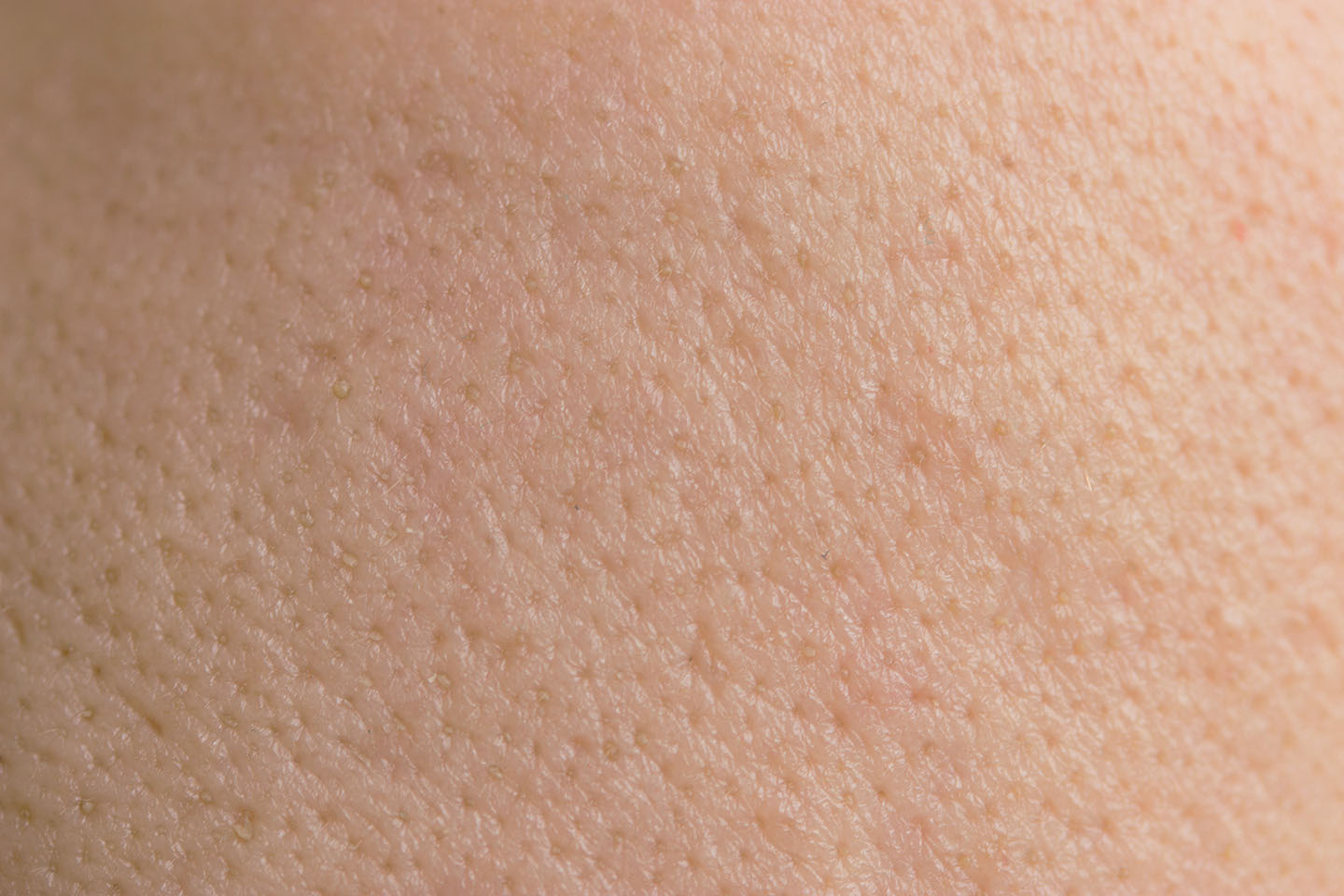
Oily skin tends to look greasy and shiny, particularly on the T-zone (across the forehead, the nose, chin and back). Pores can also look very large and noticeable and become clogged with visible blackheads. You may also be prone to breakouts of spots in oily areas of your face and body.
What is causing my oily skin?
According to a study named The Irritancy of Soaps and Syndets by Strube DD and Nicoll G, oily skin is caused by a release of excess sebum on the skin’s surface - a natural product of the glands that helps to keep the skin healthy. In addition to reducing water loss from our skin, sebum also helps to protect against bacteria and fungi.
These glands increase in sebum production during puberty which can lead to the skin appearing oily and congested. Hormonal changes, genetics and stress can also lead to oily skin conditions.
“Oily skin results in sticky skin cells which can clog pores leading to acne breakouts,” says Dr. Zac Handler, a dermatologist consultant. “This occurs in puberty, where a rapid increase in androgen hormones such as testosterone and progesterone occur. In pregnancy, an increase in progesterone occurs, resulting in increased oil gland production and a tendency for increased acne breakouts”.