What is atopic skin?
Atopic skin, also known as atopic dermatitis or atopic eczema, is a common, chronic skin condition that affects millions of people around the world. The word “atopic” refers to sensitivity to allergens and people who suffer from atopic skin often also suffer from other allergies. The condition causes skin to become red, itchy, dry, and inflamed and is often characterised by the presence of patches or bumps that may ooze or crust over. Symptoms commonly appear on the face, neck, the inside of the knees and elbows, but can also affect other areas of the body.
Atopic eczema tends to be a long-term condition, often starting in early childhood, although it may also develop for the first time in adults. It can and often does improve with age, even clearing up completely. The cause of atopic dermatitis isn’t fully understood, but it’s believed to be related to a combination of genetic, environmental, and immune system factors. There is no cure for atopic dermatitis but there are eczema treatments and steps you can take to help manage the symptoms, which we’ll look at in this article.
What is the difference between sensitive and atopic skin
Sensitive skin and atopic skin share similarities, but they are not the same condition.
Sensitive skin is a common condition and even a skin type characterised by skin that’s easily irritated or inflamed by environmental factors, skincare products, and certain fabrics. The skin may feel itchy, dry, or tight and may appear red or blotchy with the symptoms generally being short-lived and mild.
Atopic skin on the other hand is a chronic condition that can be identified by a number of telltale symptoms.
Atopic skin symptoms
Atopic eczema is often characterised by occasional flare-ups after periods of improved symptoms. If you’ve been experiencing recurring bouts of itchy, red, swollen or cracked skin for a period of more than 12 months and if you have a history of allergies, such as asthma or hay fever, there’s a chance you might be suffering from atopic eczema.
Some of the other symptoms to be aware of include:
Oozing: In severe cases, the skin may ooze fluid, which can lead to crusting and scaling.
Sensitivity: The skin may be sensitive to certain fabrics, soaps, detergents, or other substances.
Thickening: Over time, the skin may thicken and become rough and leathery in texture.
Discolouration: The affected skin may be lighter or darker in colour than the surrounding skin.
If you’re experiencing any serious or intense symptoms it’s important to schedule a visit with a doctor to get the appropriate care.
Best shower gel for atopic skin
When it comes to choosing a shower gel for atopic skin, it's important to look for products that are gentle, fragrance-free, and formulated specifically for sensitive skin. Here are some shower gels we’ve created specifically for atopic-prone skin:
Skincare routine for atopic skin
Creating a skincare routine for atopic skin can help to soothe and protect your skin, reduce flare-ups, and improve overall skin health. Here are some general tips to keep in mind:
Choose gentle, fragrance-free products
Look for skincare products that are specifically formulated for sensitive skin or atopic dermatitis. Avoid products with fragrances, harsh chemicals, or alcohol, as these can further irritate the skin.
Moisturise regularly
Moisturising is key for people with atopic skin. Use a gentle, fragrance-free moisturiser regularly to help keep your skin hydrated and prevent dryness and cracking.
Take short, lukewarm showers
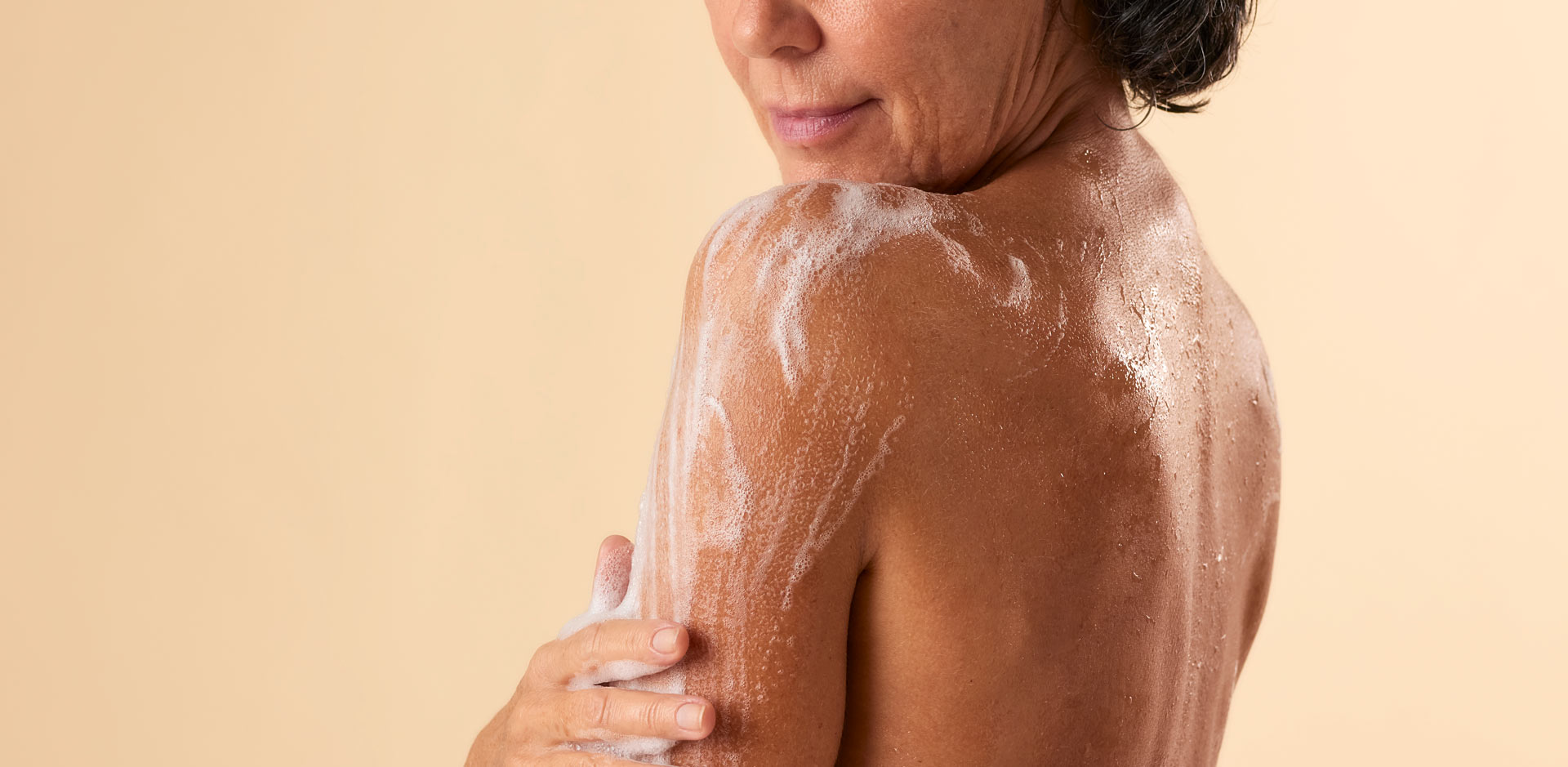
Hot water can dry out your skin and make atopic dermatitis worse. Stick to short, lukewarm showers and avoid using harsh soaps or body washes.
Topical Corticosteroids
Your doctor may prescribe a cream or ointment containing a topical corticosteroid, for your atopic dermatitis, to reduce the symptoms during flare-ups.
Wear soft, breathable fabrics
Rough or scratchy fabrics can irritate atopic skin. Wear soft, breathable fabrics like cotton, and avoid wool and synthetic materials.
Use a humidifier
Dry air can make atopic dermatitis worse. Using a humidifier in your home can help to keep the air moist and prevent dryness and itching.
Protect your skin from the sun
Sun exposure can worsen atopic dermatitis symptoms. Wear protective clothing, such as long sleeves and hats, and use a good sunscreen with an SPF of 30 or higher.
Remember to chat with your GP if you have any concerns or questions about managing your atopic skin. They can help you develop a personalised skincare routine that works for your individual needs.