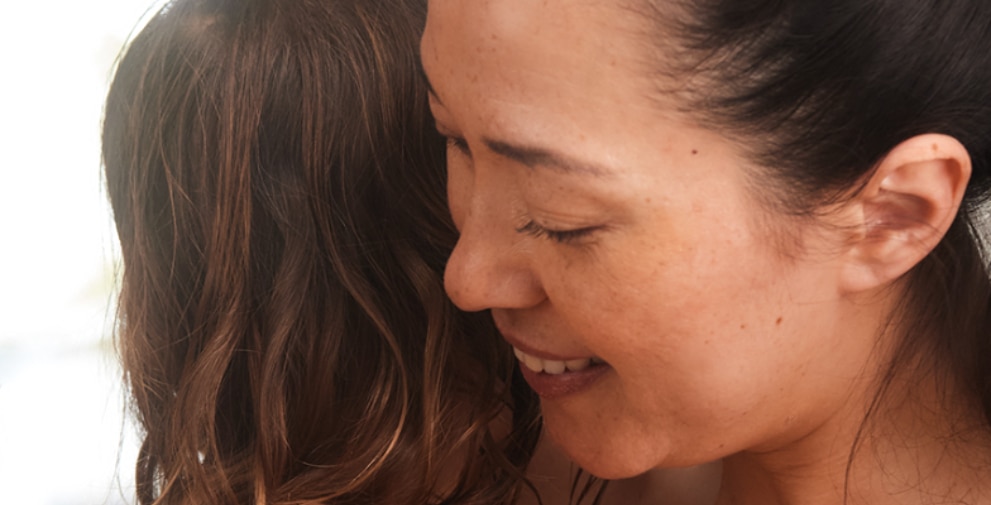
Why does skin feel sensitive for pregnant women?
Pregnancy can be a time of heightened anxiety and, coupled with a new rush of hormones, the skin can become extra sensitive. In fact, some experts believe this is a woman’s way of protecting her body and baby from infection and disease. If your skin does feel much drier and sensitive, you should ensure that your skin care during pregnancy is soothing yet simple. Look for minimalist formulas that contain hydrating and gentle ingredients such as glycerine, shea butter and hyaluronic acid.
Why has my skin become oily?
During pregnancy you may find that you have extra sebum and oil in the skin, causing the pores to become clogged and even acne to breakout around the cheeks, chin and jawline. This hormonal change is due to the body creating more progesterone in order to help line the uterus. So, while you can rest assured the change is completely natural, there are some ways that you can help to keep your skin balanced.
The best way of managing oiliness in the skin is with a cleanser and moisturiser designed to target blemishes and regulate sebum with gentle exfoliating ingredients such as AHAs (alpha-hydroxy acids). Try to avoid harsher ingredients like salicylic acid as they can increase sensitivity. You can also try using a clay or mud mask to gently clear the pores and keep on top of congestion.
How can I prevent melasma?
As the skin can become more sensitive during pregnancy, it also increases photosensitivity (its reaction to the sun’s UV rays). This stimulates the skin’s pigment hormones which can cause melasma – a skin condition characterised by patches of discolouration. “Melasma, a condition where melanocytes create an increased amount of pigment for the skin, results from both photo exposure and oestrogen exposure,” explains Dr. Zac Handler, dermatologist consultant. “While not exclusive to pregnant women, the increased oestrogen production during pregnancy has led the condition to be nicknamed the ‘mask of pregnancy’ ”.